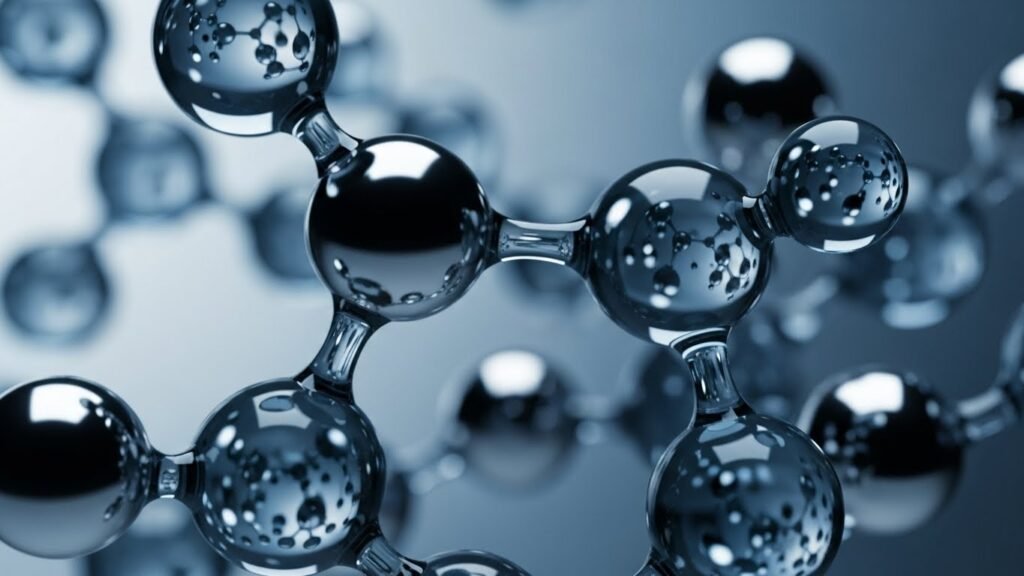
Peptides are short chains of amino acids that act as signaling molecules across various biological systems, including the endocrine, nervous.
These naturally occurring compounds, typically containing between two to fifty amino acids linked through peptide bonds, are smaller and more targeted than complete proteins.
Through their signaling capabilities, peptides can regulate gene expression, protein synthesis, and influence DNA interactions and epigenetic mechanisms.
In the human body, peptides play vital roles in muscle growth, fat metabolism, and post-exercise recovery. While the body produces many peptides endogenously, supplemental forms have garnered attention for their potential to enhance muscle mass and strength gains more effectively than natural production alone.
These supplements work synergistically with growth hormone and IGF-1 (insulin-like growth factor 1) to create an optimal environment for muscle development. Different peptide variants target specific aspects of muscle building and recovery through distinct biological pathways.
Research indicates that certain peptides can promote accelerated healing of muscle tissue2 while simultaneously reducing body fat and preserving lean mass. This selective action occurs through the activation of specific cellular signals that enhance protein synthesis and facilitate muscle repair.
The targeted nature and relative safety of peptides have made them particularly valuable to athletes and bodybuilders seeking to increase muscle mass without the side effects with anabolic steroids.
Recent advances in peptide science have yielded more stable and effective formulations, further increasing their appeal among fitness enthusiasts. These developments have enhanced both the bioavailability and specificity of peptide supplements, allowing for more precise targeting of desired physiological outcomes.