
Semax is a synthetic heptapeptide derived from a fragment of adrenocorticotropic hormone (ACTH). Its amino acid sequence is Met-Glu-His-Phe-Pro-Gly-Pro, often abbreviated as MEHFPGP.
The key distinction: Unlike full ACTH, which triggers cortisol release and hormonal cascades, Semax isolates the cognitive and neuroprotective effects without affecting cortisol levels. You get the brain benefits without the stress hormone consequences.
Evelopment history: Semax was developed in the 1980s at the Institute of Molecular Genetics of the Russian Academy of Sciences. It gained official approval in Russia and has been included on the Russian List of Vital & Essential Drugs since 2011. It’s prescribed for conditions including stroke recovery, traumatic brain injury, cognitive impairment, and optic nerve disease.
How it differs from other nootropics: Most cognitive enhancers work by modulating neurotransmitters like dopamine or acetylcholine directly. Semax works upstream—by increasing BDNF and supporting neuroplasticity, it enhances the brain’s fundamental capacity to learn, adapt, and recover. This produces more sustainable cognitive improvements rather than temporary stimulation.
Legal status: Semax is a registered pharmaceutical in Russia and CIS countries. In the United States and most Western countries, it’s sold as a research chemical.
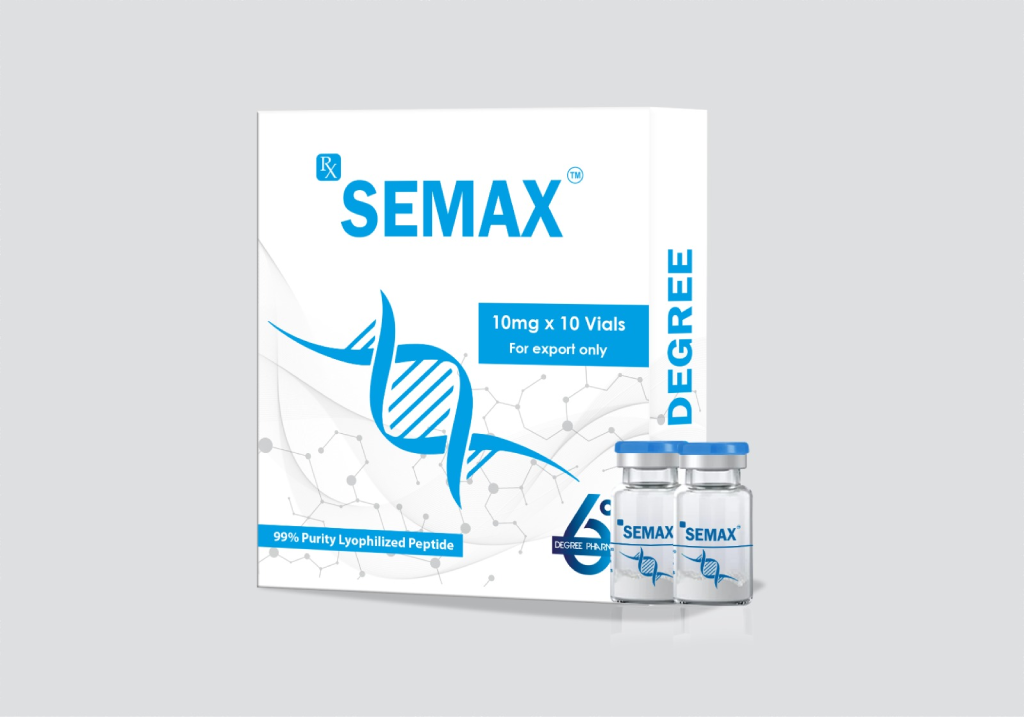
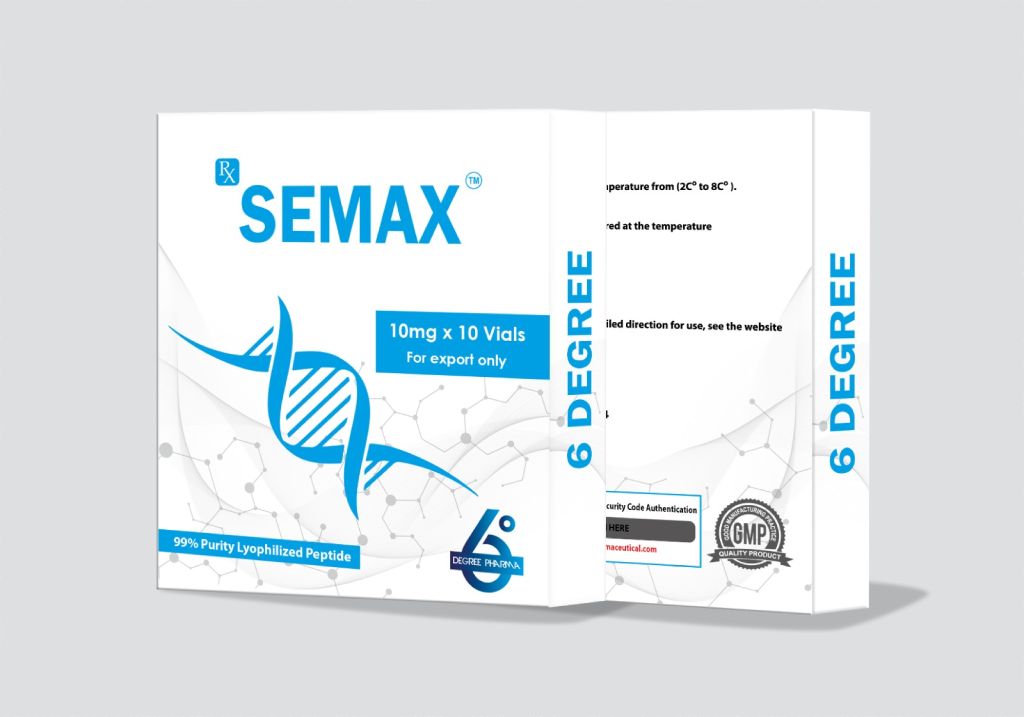
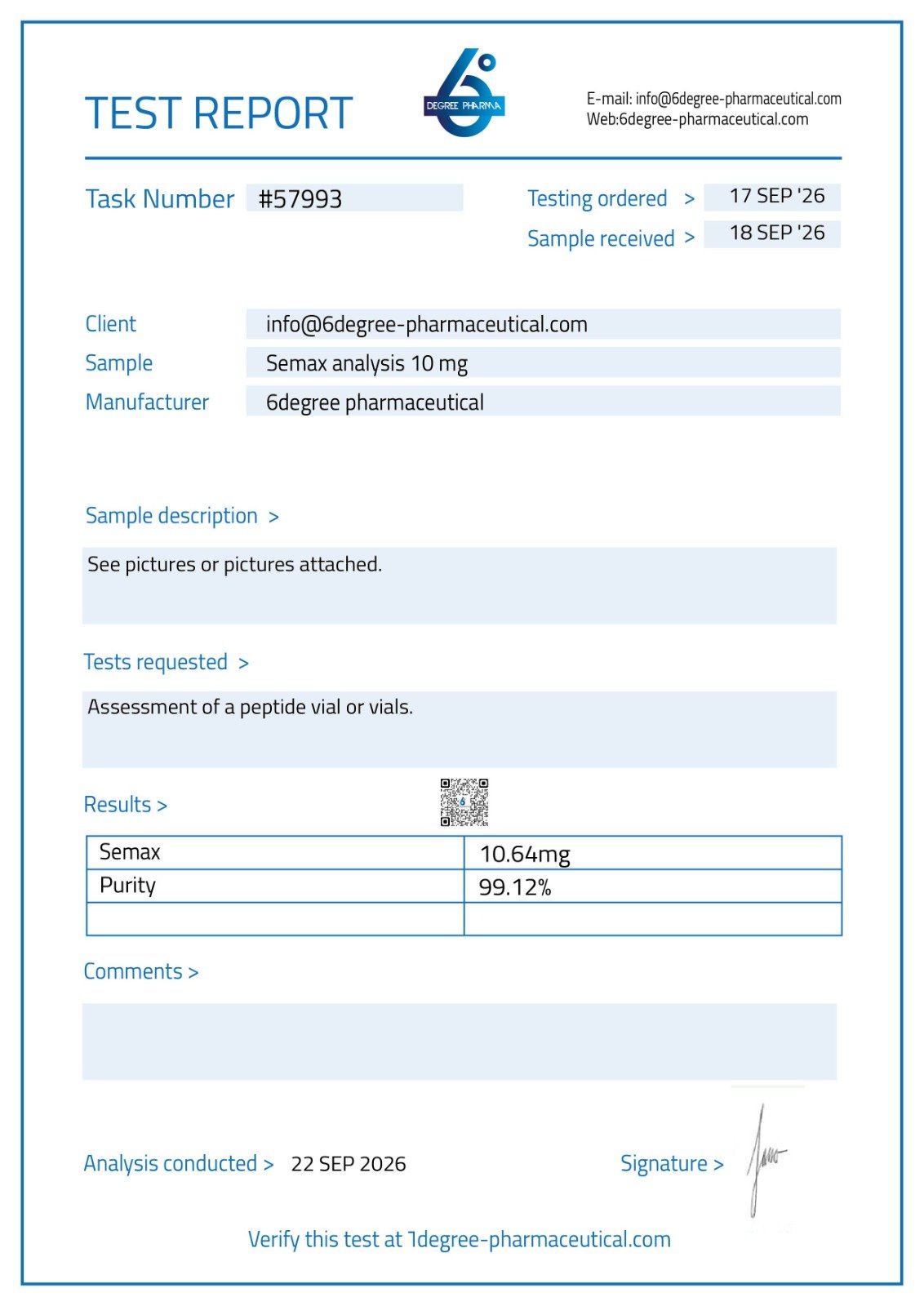
Semax 10 mg
Short Description:
Semax is a synthetic heptapeptide derived from a fragment of adrenocorticotropic hormone (ACTH). Its amino acid sequence is Met-Glu-His-Phe-Pro-Gly-Pro, often abbreviated as MEHFPGP.
The key distinction: Unlike full ACTH, which triggers cortisol release and hormonal cascades, Semax isolates the cognitive and neuroprotective effects without affecting cortisol levels. You get the brain benefits without the stress hormone consequences.
Development history: Semax was developed in the 1980s at the Institute of Molecular Genetics of the Russian Academy of Sciences. It gained official approval in Russia and has been included on the Russian List of Vital & Essential Drugs since 2011. It’s prescribed for conditions including stroke recovery, traumatic brain injury, cognitive impairment, and optic nerve disease.

Related products
- Peptides
Melanotan II 2 MG
- Peptides
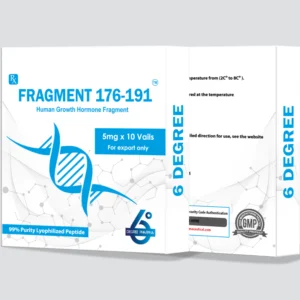
Fragment 176-191 / 5 MG
- Peptides
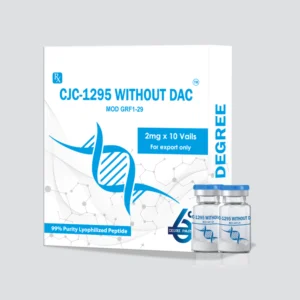
CJC-1295 (without DAC) 5 MG
- Peptides
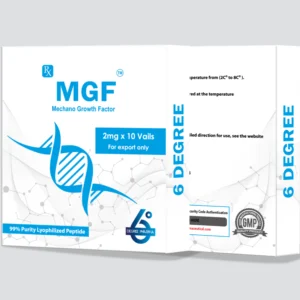
MGF 2 MG
Reviews
There are no reviews yet.